Showing posts with label Melodic Death Metal. Show all posts

Sunday, July 13, 2025

Belligerence - Heartfelt (2012)

   After a quite interesting but excellent debut, Belligerence have returned with an even more stunning second album.
   "Heartfelt" followed the same unique mixed concept that have been introduced on "Out: Red", but on a bit higher level. Like if the band tried to highlight all of their determining musical features the same time, and it just worked out perfectly. The sound was now more death metal compatible, and this didn't have disadvantageous effect on their different influenced musical features. The contrast with their melodies and occasional electronic music related effects increased. It turned out similarly back and forth supporting like in case of nu metal bands, except in this case the musical diversity and productiveness is incomparably higher. The band probably also tried to show their musical capabilities at their best, even if it's about vocals, frontwoman Miss Appia performed in three different vocal styles. This, on the side of some sudden, unexpected electronic elements might result some weird, totally abstract moments for the listener, but they're not breaking the songs unity, and by being well composed, they turn out to be relevant as border breaking intentions. The whole thing never becomes autoletic or attention seeking. The album in total is overwhelmingly intense, and by the various themes and musical solutions offering plenty of exciting moments to discover even for long time listening. 
  Despite Belligerence have been a quite underrated band, for their potential and musical creativity it wouldn't be an exaggeration to sort them to the best melodic death metal bands ever. And last but not least: unlike most bands sorted to the same category, they didn't lose their death metal influences, and therefore stayed accurate to the name of the subgenre. 

Thursday, May 4, 2023

Obscure Infinity - Putrefying Illusins (2012)

   2 years after their debut "Dawn of Winter", that was raw, complex and heavy the same time, Obscure Infinity had an interesting return. "Putrefying Illusions" might sound like an unexpected style switch at first, but even though it seems quite different than the first album, the concept didn't change, and the same the style features determining the second record than the first one. It's only a bit different aspect of the same thing.
   Basically "Putrefying Illusions" was a definite step into one direction of the various posssible options that have been led open on "Dawn of Winter". And it was committed pretty well. The sound completely changed to a strongly black metal-compatible softer, atmospheric way. That's not only well suiting for their frequently returning blackened themes, but also for the effectiveness of the melodies they're operating with. The short, melodic solos having some ancient '80s vintage impression by their echoing sound, but except those and the longer duration of melodies, their music didn't change much. Still, this little change and the sound switch was enough for the music to drift closer to melodic death metal. Calm instrumental tracks are assisting as an extension of this endeavour, but it's important to mention that all of these mentioned features were enough to turn "Putrefying Illusins" to an ordinary melodic death album. It's still way more aggressive and heavy for that, and interestingly some leading themes are even referring old school bands like Autopsy. From another hand: it's exactly how melodic death metal supposed to sound like, by keeping the basic style features, but offering them with a  more melodic background (unlike how the subgenre ended up and became widespread, by losing all of it's referring style features). The complexity that blocked the first album to be unified, is not possible to sense on "Putrefying Illusions", cause the blackened atmosphere and the catchy melodies created the frame that was directly leading to the desired unified sound and to a well composed album.

Sunday, January 15, 2023

Hyban Draco - Where Illusions Die (2012)

   "Where Illusions Die" was the third album by Hyban Draco, and even though the band continued their unusual approach of slightly thrash influenced black/melodic death metal, a few things have changed meanwhile.
   This wasn't an experimental band anymore, but a determined one that switched between soft melancholic atmosphere and melodic blackened themes with confidence. The debut served as an evident proof already, that this combination could result pretty overwhelming song compositions, but as time have passed, the band preferred to put intensity more into focus. They aren't just occasional anymore like previously. This was led to the shortened role of the melancholic atmosphere. Therefore "Where Illusions Die" became a more balanced album, where the contrast between soft melodies and intensity prevails and this is definitely a more effective way if a band having such various influences. The themes in general and the sound also became much better, and the clear sound also proved to be more reasonable for their minimalist melodic parts than some blurry atmospheric background. This was also a step that pushed their music slightly more favourable for underground fans, but despite being an underrated band, by still their catchy themes making it enjoyable for wider audiences as well. 

Tuesday, October 26, 2021

Hyban Draco - Frozen Whispers (2010)

   Hyban Draco debuted with an album that was officially marked as black metal, but it was much more than that. Their music provided an interesting perspective, that despite sounded very familiar and came from the very basic core of extreme metal, seemingly cannot be related directly with any big names of the genre. 
   The band operated with pretty simple themes and relied on catchy melodic leads that are usually reminding to black and thrash metal. However, the intensity of their music didn't reach ordinary black or thrash metal. Similar themes could have been heard on the debut of Witchburner and in Desaster's music in general, but Hyban Draco preferred a more epic, classic heavy metal based and melodic approach. Their short and occasional speedups aren't sufficient for calling it as thrashing, but in melodic death metal similar song compositions could work just fine. Soft melodies and strong atmosphere showed up as completing factors, and that suggested the influence of the mainstream bands of black metal, such as Cradle of Filth or Dimmu Borgir. But at one hand there's a constantly returning melancholic touch that became more dominant, not to mention the old school tendencies to sense on "Frozen Whispers", that are keep cancelling any theatrical possibilities. The band definitely had mixed influences, but they've been put well together. Even though their solutions didn't count as usual, their music was compatible with both mainstream and underground audiences. 
  "Frozen Whispers" was still in some sort of experimenting state, but still it counts as a very stunning debut, could be potential favorite for the fans of black metal, black/thrash and melodic death.

Monday, June 1, 2020

Intestine Baalism - Ultimate Instinct (2008)

   It's always appreciating to find a melodic death metal band that truely have death metal themes in it's music, and not playing simply heavy metal or some modern influenced melodic metal with growling vocals and over emotional background. Intestine Baalism's music is one of the few of the style who are fitting to the term for real.
   Their music is able to recall nostalgic feelings because of the old school touch of their main themes, but the same time returning melodies are taking over the lead temporarily. It's a well made combination based on a contrast of rough approach and softening '80s styled heavy metal themes mixed with blackened influences. Before the listener might get used to one of each, the direction is switching to the other side. The combination of black and heavy metal is based on a well discovered analogy that's quite operable, even though not many have experimented with that in similar context. The vocals are also conforming to this direction by switching to blackened styled cawing. The death metal parts are represented by brutal themes, fast speed both by blast beats and thrash styled drumming and deep growling vocal. The 2 sides are easy to distinguish, but together they creating an interesting and quite colorful main view. At the end of the album the heavy/black metal side gets dominant. "Ultimate Instinct" might be compatible with wide audience, but for those, who are expecting some Göteborg styled melodic death, that actually lacks death metal influences and reminds to bands like In Flames or Dark Tranquility, this album could be disappointing.

Saturday, April 18, 2020

Belligerence - Out:Red (2008)

   Basically there are 3 ways how to play melodic death: 1. To play basically heavy metal with growling vocal style, that lacks all death metal musical features (this is the most common, but unfortunately vocals simply can't determine the style of the music), 2. To play melodic death for real, death metal themes with melodies (the rarest), and 3. To play metal with various influences including the actual modern tendencies and death metal. Belligerence debuted as the third cathegory.
   "Out:Red" sounds like an album that have been incubating since a while, and the musicians tried to do their best to involve all possible aspects of their music that they've found interesting enough to share. Musically the album definitely shows modern tendencies not only in the themes and song structures, but also in the instrumentation. If the listener pays attention well, it's also possible to catch moments that would fit into industrial metal. The returning appearence of keyboards and other options of creating a background atmosphere is common both in modern or progressive metal and even in "death-less melodic death". But unlike the latest cathegory, Belligerence preferred  nearly constant thrash metal basics, that are keep switching into a more melodic direction and also into death metal. The main impression is kind of intense, but sometimes turns a bit melancholic. Agressive growling female vocal is assisting to the diverse musical approach. Not all of their experiments worked out well, like the girly switch in the song "Overfilled" is kind of freaking out after the listener got used to the heavier tone, so it defiinitely wasn't their best idea. Except this and some other smaller occasional mistakes the album counts as a strong and convincing debut. Recommended for music connoisseurs!

Sunday, October 13, 2019

Astarte - Demonized (2007)

   Astarte was formed when black metal was in a changing period, and during their existence their music went it's own way of change too. Genres in first round after everything possible was made inside the borders of their specific features, starting to become more melodic, audience friendlier, and later involving different influences and/or turning progressive.
   The same has happened with Astarte too. On their last album there are still style features to find that may remind to their debut, like occasionally the intense blackened themes are returning, the vocal style is the same, and they've still wrote Greek mythology influenced lyrics, but it's a different story now. Their music became far more melodic, lost it's dark, depressing old school atmosphere, the themes are strongly melodic death influenced, and partly mixed with classic heavy metal features too. The harmony wasn't lost, but represented differently (in the way of literal meaning). By the melodic death influences and the clear sound the focus has switched from down breaking passive suffering to a more aggressive direction, that is also more generic the same time. Still a remarkable emotional effect remained in their music, since it's the concomitant of the combination of these styles, but it's less effective. "Demonized" is still a great album according to it's style, and fits into the musical voyage of the band, but it may leave behind a feeling that something's missing. Such in the case of the band's split-up because of Miss Tristessa's unfortunate pass (R.I.P.).

Sunday, September 29, 2019

Dethklok - The Dethalbum (2007)

     Somewhere deep within the virtual world of ironically self loathing death metal bands, your favorite nighttime TV show characters of Dethklok pull their shit together long enough to gift your meaningless lives with their explosive debut album The Dethalbum (no pun intended). What's cool about this album is that it's essentially a musical walk through of your favorite episodes from season one of Adult Swim's comedic parody cartoon show Metalocalypse. But instead of musical snippets abruptly ended with multiple macabre fan deaths, you're treated to extended full length versions of the songs from the TV series, including a couple of bonus/unreleased tracts.
     As any album worth listening to in the death metal community, sprinkled with tiny bits of hatred and controversy towards whether or not Dethklok should even be considered real metal or not, The Dethalbum is a mixture of melodic death metal and repetitive chugging. If you're able to look beyond the initial satire that is the entire essence of Dethklok's being, what you're left with is a band that is able to reach it's audience with what could be considered a type of visual audio that is it's music. Even if you've never seen an episode of Metalocalypse, listening to songs like "Bloodrocuted" or "Briefcase Full of Guts" leave an extremely purposeful aesthetic that is sure to melt the heart of any hardened death metal fan, as long as they aren't too hardened to enjoy a bit of self deprecating humor every now and again.
     

Sunday, July 28, 2019

Paths of Possession - The End of the Hour (2007)

   Melodic death metal is somehow a paradox term, and even in practice it might be difficult to pull things together in this style. It's clear that a whole scene was formed for this subgenre in Göteborg Sweden, and after the (unfortunate) style change of Carcass, this scene had main influence in the development of melodic death metal.
   But fortunately a few bands didn't step into the line to play this style the same way, like leaving behind all death metal features except growling vocals, and to play something that hardly could be called as something death metal related. Paths of Possession belongs to those few bands who were able to create something that can fit to that paradox term. They've kept most death metal features and only frequent melodies making their music different from ordinary death metal. Unlike most other bands in this style, the song structures didn't simplified and led only by one catchy melody that determines the whole song. The proportion of heavy riffings stayed fixed on the side of catchy melodies, and theme changes are also common. By keeping this musical complexity the band showed an example how to not collapse into emotional masturbation or to how to not drift "accidentally" into mainstream in an audience friendlier subgenre. By the lyrics they also didn't turn away from the roots of death metal, and if it wasn't enough, the characteristic growling style of Mr. George "Corpsegrinder" Fisher (ex-Monstrosity, late Cannibal Corpse) also makes sure to keep it brutal. Their music can be enjoyable for melodic death fans and for ordinary death metal fans too.

Friday, June 28, 2019

Dissection - Reinkaos (2006)

     Reinkaos does not come without noted critics within the black/death/extreme metal communities. It's probably also not surprising that within the black metal community, this album isn't considered heavy enough, often reviewed as boring and too clean. The album marks a change in the bands style from a melodic black metal sound to more melodic death metal. If you're one of those trve black metal cvlt fans, I get it. It's no Burzum. Insert exaggerated eye roll here.
     Dissection are noted for their satanic imagery and livelihood, so I can admit, the approach to this album may seem a little off the beaten path if you really don't know what you're listening to. The album has points of ultimate melodic satanic metal euphoria, followed by songs surrounding a Hindu Goddess. In concept, the entire album is concentrated around Jon Nodtveidt's anti cosmic spiritual beliefs, the Misanthropic Luciferian Order.
     Undoubtedly, there are amazingly strong points throughout the entire album. Highly driven guitar riffs make memorable parts on most of the tracks, like God of Forbidden Light or Dark Mother Devine. While a couple of songs can run together and perhaps even lack variety, it's my humble opinion that this album presents us with one of the strongest, most vehemently Satanic driven pieces of metal to date. 
     It was God of Forbidden Light's rhythmic intro that captured my attention as an innocent 15 year old, who hadn't yet dared dig deeper into the world of black metal outside of bands like Cradle of Filth or late Dimmu. 

Open our eyes Mighty Father
So that we may see
Guide our steps on the Burning Path
Of liberation and ecstasy 

Mighty god of darkness
Salutations to thee
Raise the hidden flames within us
Into chaos set us free

This is an easy album. Easy to listen to, easy to remember, easy to get into, if you're into melodic death metal. 

Sunday, March 31, 2019

Inseason - Code of Fate (2005)

   Even though the mix of industrial and extreme styles was nothing new, it always counts as something extraordinary. Not only because it's a rare thing to experiment with, but also because the list of bands who did it right is quite short. Not to mention that the audience of industrial and extreme genres are rarely opened to such experiments.
   "Code of Fate" was the second EP of Inseason, a short lived band, who was able to create something unique by accomplishing their bold idea to mix industrial with death metal. With melodic death in their case, bacause pure death is hard to combine with electronic music on the necessary level of intensiveness without becoming unenjoyable, hilarious, or losing too much from it's death metal features. But by invloving more melodies the idea was reasonable and managable the same time, so the style selection was wise. Except a few big names it seemed like industrial was forced into background since the mid '90s, so to hear modern electronic music features might be strange. But in truth the style just took another direction, further from being metal-compatible, and not many tried to use up it's new form. The other industrial influenced styles like nu metal stayed at the '90s, and older bands also didn't try to keep up with the new tendencies. These modern electronic influences gave a dark and cold impression to Ineason's music and they found the way how to involve their simple and repetitive guitar themes. By growling female vocals was their genuine style completed. Though the start was very promising, the band unfortunately disappeared without writing metal history. 

Wednesday, January 9, 2019

Arsis - A Celebration of Guilt (2004)

     I always kick myself for being on the late train when it comes to metal albums I could have known, SHOULD have known about before. Arsis is one of those bands, and A Celebration of Guilt is one of those albums. I wouldn't necessarily consider myself a big technical/melodic death metal fan, but ACOG is an album that is written and performed so well that the entire album is a must have, must listen, and must listen again once finished.
     James Malone is an absolute beast when it comes to being the vocal, guitar and bass master (lol) for the album. Malone's vocal style is primarily in the higher pitched range, almost closer to what you would hear in black metal. But he brings the ability to follow the melody of the songs with his rage, bringing in lower vocals for more of an impact precisely when needed, or combining lower and higher background vocals for more depth.
     This album moves fast. So fast that, at some parts, (and, noted, the only flaw I find with the album as a whole) it is there are a few songs that can seem like they run together. If you're looking for something raw, aggressive, and still technical and melodic, but not as extreme as some later 2000's technical death metal albums, Arsis' A Celebration of Guilt gives the perfect blend. 

Monday, October 22, 2018

Testimony - Inhale the Sadness (2000)

   From the middle '90s a new wave of extreme metal showed up in the small Hungarian metal scene. This included black metal bands like Frost, Sear Bliss, Ahriman and Christian Epidemic which bands became well known names in the underground lately, and some short lived death metal related bands, like Diafragma, Testimony and Dark Clouds (later Nadir). The common thing between all of these bands came partly by their currently changing times, and partly by their local and main scene influences. And from this list probably Testimony was the most promising one.
  For newby death metal bands this era was quite unfortunate timing, since the genre kinda died out from the middle of the decade, and mostly a few bands remained active, who switched style or involved other influences into their music. Testimony also had mixed influences, but unlike in the first death metal bands of the Hungarian scene, things turned out pretty good and their music was unified enough to have it's own character. They didn't sound like randomly grouped amateur musicians, who just wanted to make some noisy music, more like a band who found common ground and knew exactly what they wanted. On "Inhale the Sadness" they didn't even try to recall old school death, but instead they intended to find their own style in those musically hectic and experimenting times. Their music was like balancing on the top of a 3 edged knife: partly old school death, partly melodic death, but doom influences also had important role. Still, none of these directions became determining enough to pick a side. The album is melodic, but didn't lose it's death metal features like most melodic death bands used to. Also the melodic death features working well with the doom related themes, which are holding back everything to slip too far into the other 2 directions. The approach is unique, complex, but the results are simple and easy to go into. Easier than into old school death or death/doom, but it's heavier than ordinary melodic death. A few lesser known bands from the '90s did something similar, but the possibility of their direct influences could be expellable. Also their motivations were different. For instance Ascaris from Poland reached some analogy at the end of the death metal era, while they were looking for a more melodic alternative path for themselves. And even though Apophis from Germany did have a release with relatable tone ("Heliopolis"), but experimenting ambitions and seeking new, weird perspectives were usual at early German death metal bands. The analogy based concept of this mixed in influences, but simple and unified Central-Eastern European extreme music phenomenon might sound weird, but reflects well the local tendencies of the late '90s. However, by "Inhale the Sadness" Testimony became one of the few Hungarian metal bands who reached international level with their music (after Tormentor and Atomic), and unfortunately similar to them, they count as underrated and their active period didn't last as long as it supposed to be. 

Wednesday, March 7, 2018

Ceremonial Oath - Carpet (1995)

   Since guitarists Anders Iwers and Jesper Strömbald also played in In Flames, and Ceremonial Oath was their side project, it wasn't surprising that by Ceremonial Oath's second album their music switched to melodic death metal. 
   '80s heavy metal themes had characteristic role in the Desecrator era and on the first record too, so they could be taken as a connecting feature. The middle '90s was also the time, when melodic death metal started to spread, originated from bands like Dissection, Unanimated, late Carcass, and the Swedish Göteborg scene. Even though by the numbers Swedish bands gave the majority, the British scene had also great influence on the subgenre, since melodic death metal basically in its most known and popular form is heavy metal with growling vocal style and heavier sound. And the Swedish scene was always famous about it's strong attraction to the '80s British heavy metal era, therefore it served as their main inspiration and main origin of influences. Probably nothing illustrates the whole thing better than "Carpet" by Ceremonial Oath. Compared to "The Book of Truth" both the death metal and technical themes were gone, the growling vocals stayed, and the quite vintage sounding heavy metal themes and melodies turned more intense by occasional speed /thrash tempo switches. Later, from the late '90s this mixed style of heavy/speed/thrash/black and melodic death metal became a commonly picked formula for Swedish bands, who wanted to recall the feeling and atmosphere of the '80s. 

Thursday, October 12, 2017

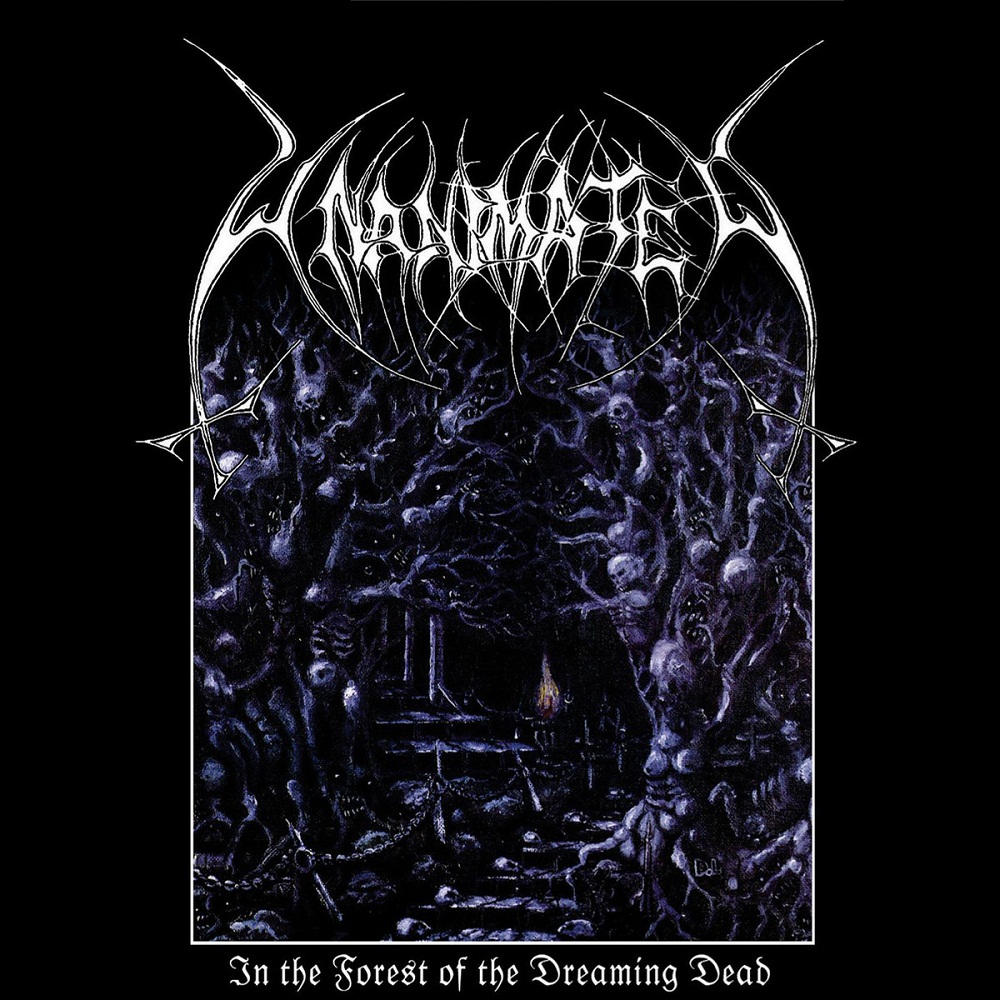
Unanimated - In the Forest of the Dreaming Dead (1993)

   As the death metal wave exhausted from ideas, many bands drifted into progressive and technical direction in the struggle to create something new or they completely changed their style. A few bands like Unanimated debuted with something else by mixing the actual underground trends.
   To turn death metal melodic wasn't ordinary that time, the band counts as one of the heralds of this style, which created a paradox by skeletonizing the genre from it's main features. But unlike the melodic death bands of Göteborg, Unanimated stayed at the heavy riff centric song structures and didn't try to build the whole concept around melodies that are so catchy as it's possible. The slowly uprising shadow of the Norwegian black metal scene had a strong influence on their music and the lyrics about mysterious dark forces and melancholic topics are also evident references. But in this case not the sizzling sound gave the occasional atmosphere, but some '80s heavy metal influences which turned this album to a bridge between the old school style and the actual modern trends in extreme metal. It sounds like they "dreamed" these following trends shortly before their wider spreading.